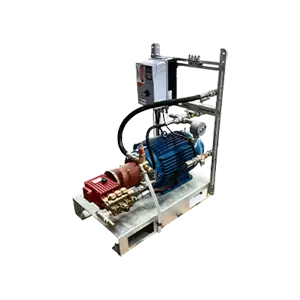
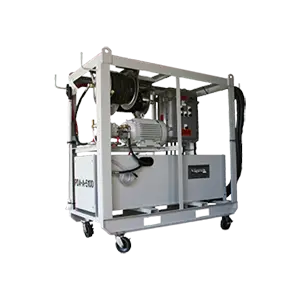
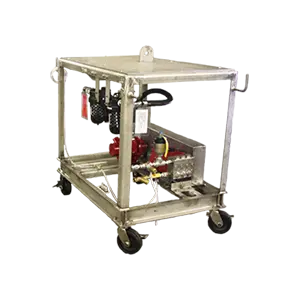
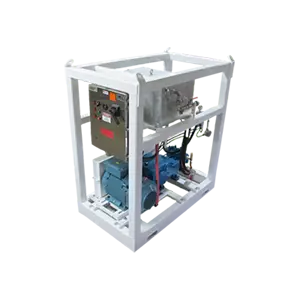
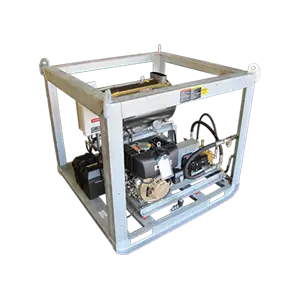
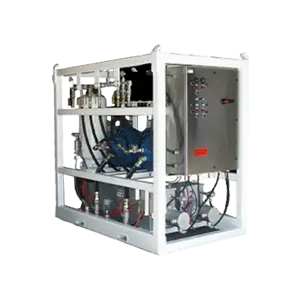
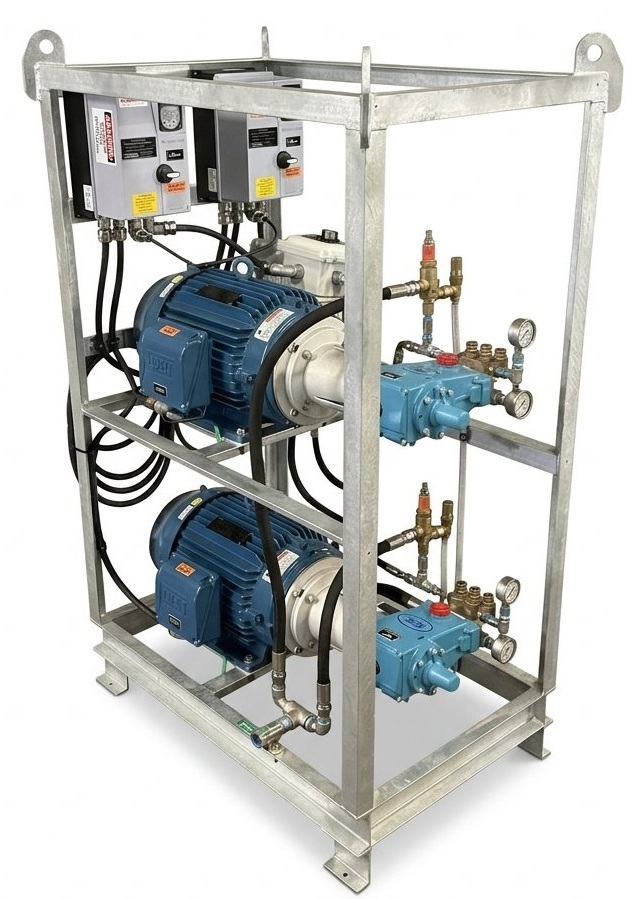
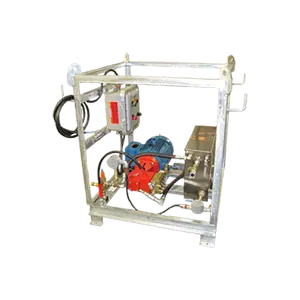
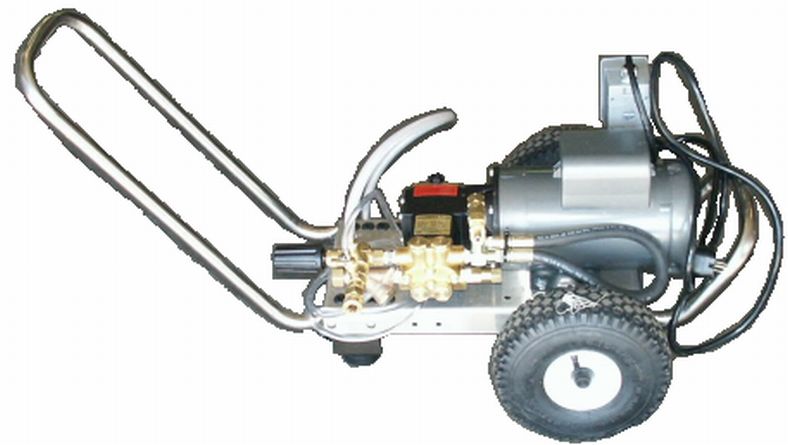
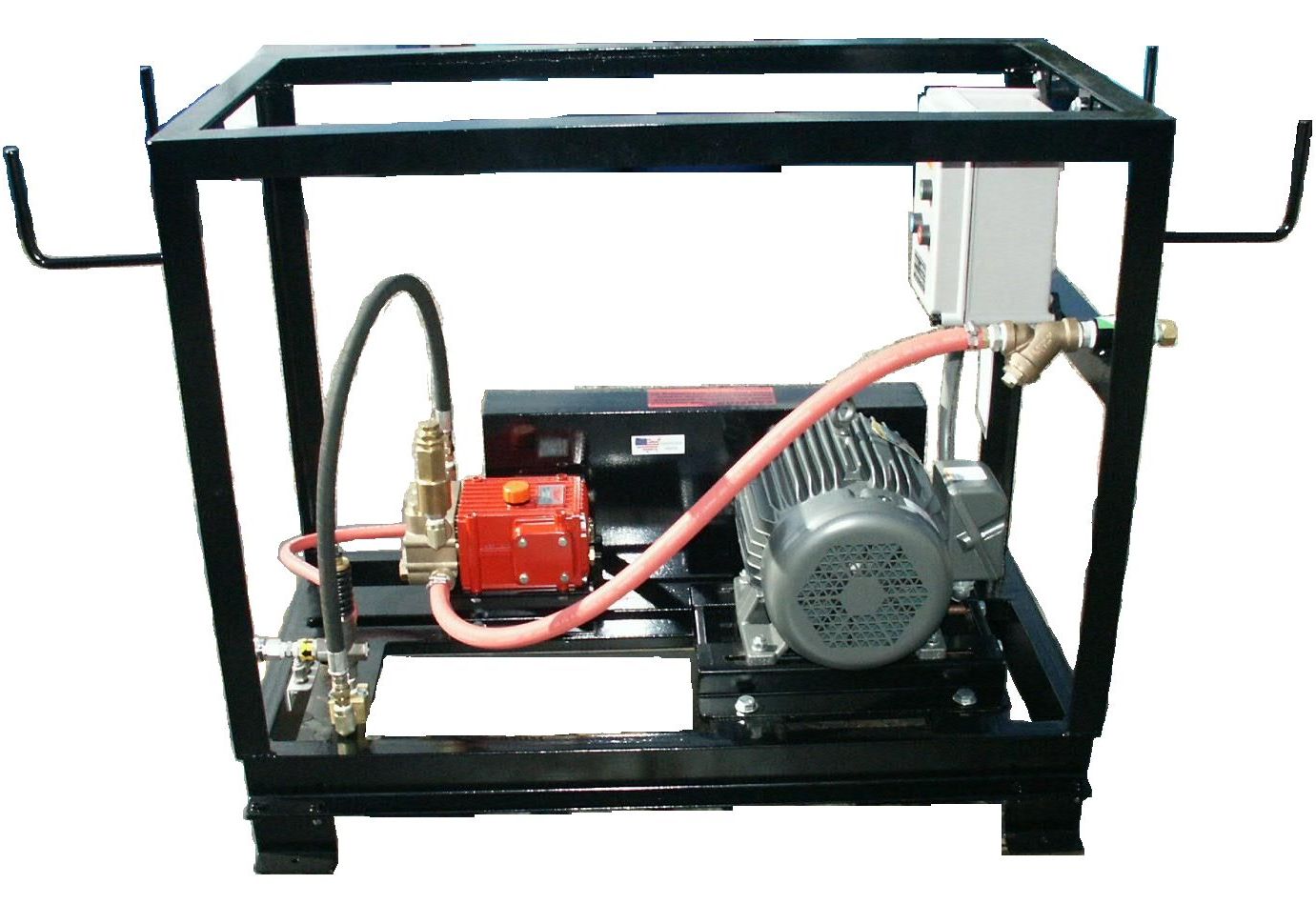
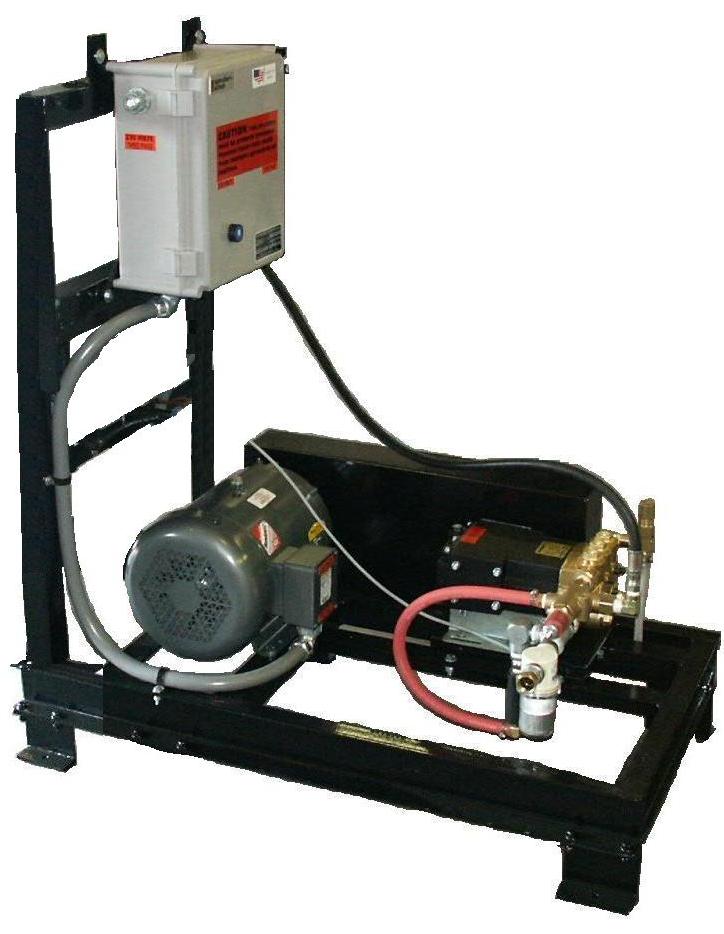
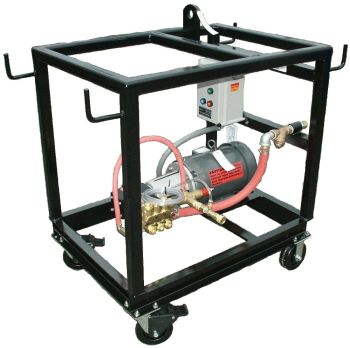
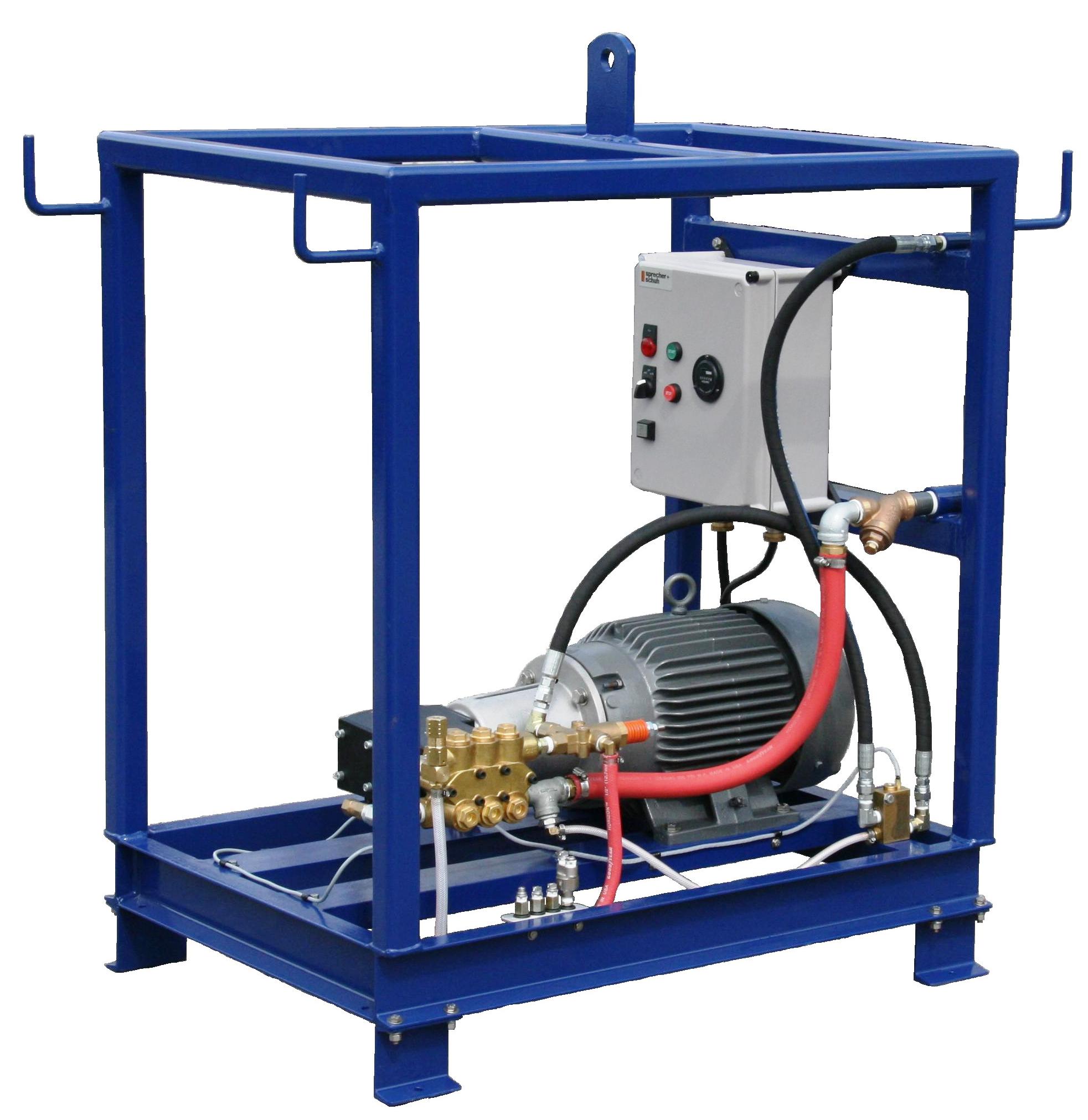
Since 1970, Acme Cleaning Equipment, Inc.’s Niagara Power Washer Division has provided the industry with the latest innovations for industrial and oilfield washdown systems:
- 1970s–1980s: mass produced commercial pressure washers did not last long in the oilfield environment, Acme’s pressure washers were designed specifically for corrosive and/or hazardous locations featured rugged construction with oversized pumps to extend the maintenance intervals and life of the pump, featuring automated start and shutdown options.
- 1990s: drilling companies turned to Acme for single and multi-operator custom systems with electric heat for both safe and hazardous locations.
- 2000s–2010s: Collaborative designs with major drilling contractors and shipyards for multi-operator, redundant pump and heater washdown systems achieving zero down time for maintenance.
- 2020s: Central washdown and custom pump systems with VFDs for multiple simultaneous operators and redundant smart systems.
Niagara Central Cleaning Systems address the markets transition and demand driven by safety regulations, operational economics, and corporate engineering standards:
Hazardous Area Compliance & Risk Mitigation A centralized stationary system allows the core power unit to sit safely in an unclassified utility space, piping pressurized water directly into hazardous zones without violating safety protocols.
Elimination of Non-Productive Time (NPT) On a drilling rig, single-user portable washers represent a single point of failure; if a pump fails, cleaning stops, leading to hazardous slips from oil-based muds (OBM). Operators are mandating systems engineered with mechanical redundancy—allowing continuous operation during live maintenance cycles.
OpEx and Carbon Reduction Mandates Major exploration and production (E&P) companies are enforcing strict energy optimization targets. Standard single-speed pressure washers waste massive amounts of electricity or fuel running at full capacity regardless of localized demand. Procurement teams now explicitly favor Variable Frequency Drive (VFD) technology to match power draws directly to active worker loads.
Digitalization and “Digital Twin” Integration Modern drilling infrastructure prioritizes SCADA network data capturing. Rigs require utility hardware to communicate directly with the Integrated Bridge System (IBS) to enable predictive maintenance tracking, shifting equipment from isolated machinery to fully integrated IoT endpoints.
Niagara Central Cleaning System is directly aligned with the technical requirements dictated by modern oilfield procurement standards.
Key Technical Alignments:
- True Mechanical Redundancy: The 2-pump Niagara layout features completely independent pump, motor, drive, and instrumentation assemblies. If one pump requires maintenance, it can be completely isolated while the secondary pump sustains full-system pressure—fully answering the industry’s zero-NPT mandate.
- Automated Runtime Balancing: The system automatically starts the motor with the least accumulated run time first. This evenly distributes mechanical wear, extends component lifecycles, and flattens maintenance intervals across long offshore deployments.
- Up to 40% Energy Savings: The integrated VFD control continuously monitors the distribution line and automatically throttles motor load to match the exact number of active nozzles (supporting up to 6 simultaneous users). This directly addresses operator OpEx and carbon reduction metrics.
- IoT & SCADA Readiness: Built-in 4-20mA instrumentation and Modbus links stream real-time operating pressure and temperature data straight to the asset’s “Digital Twin” or IBS, meeting modern smart-rig specifications.
- Severe-Duty Material Durability: Offering Brass, 316 Stainless Steel or Nickel Aluminum Bronze manifolds allows the system to seamlessly transition between land applications and offshore washdown systems, preventing stress corrosion cracking and pitting to satisfy DNV and Lloyd’s Register standards.
Factory-Locked Alignment: Niagara’s integrated C-face motor, bell-housing, and flexible coupling design creates a rugged, permanently centered architecture that increases efficiency, reduces downtime and minimizes footprint.